23 Nov / By Admin
PFAS is becoming a major health concern across the world. These “forever chemicals” have made their way into our water supply and bring with them an abundance of health risks. These include weakened immune systems, certain types of cancers, thyroid issues, developmental issues and more…
Two solutions, Anion Exchange Resin & GAC, can be very effective at removing this contaminant from water. Each comes with its unique advantages and disadvantages. We’ll look at both and determine which water treatment solution will be the most cost-effective if you’re looking to remove PFAS.
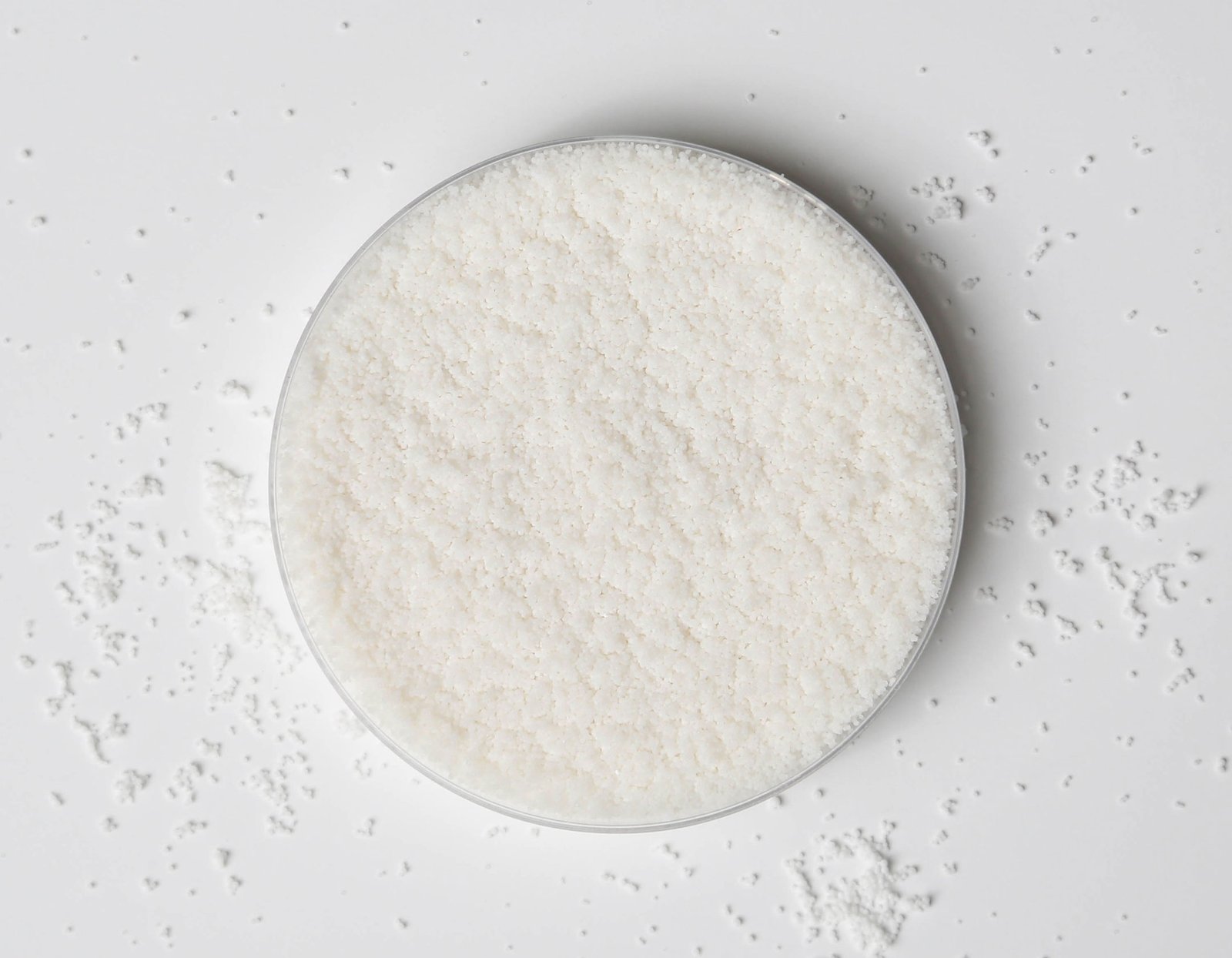
Polymer resin beads attract forever chemicals through electrostatic attraction. In short, these specialised beads act like a magnet that pulls the chemicals out of the water when it flows over them.
As the most common form of activated carbon used in the water treatment industry, GAC can be highly effective as a form of PFAS treatment. It performs like a microscopic sponge that traps the molecules on its surface when the water flows past. We call this process adsorption.
At first, you may notice that GAC is cheaper per kilogram so initially, it’s the cheaper of the two methods. However, you should consider an important distinction here. The operating life cycle is a crucial factor.
While it’s true the media itself is more expensive, anion exchange resin has a much lower life cycle cost. This is because it has a superior adsorption capacity (meaning it has more space for PFAS molecules). Meanwhile, GAC is reliant on its physical pore space which gets taken up by other natural organic matter. As such, the resin will treat more gallons of water per pound of media.
Ion exchange resin also has a shorter empty bed contact time (between 2 and 5 minutes) whereas GAC usually needs between 10 and 20 minutes for it to remove these forever chemicals out of the water.
In summary, as it can treat the water quickly, it requires less of the filter material (resin) and a smaller tank to complete the tasks. It takes up less space and when all this is done on a large scale, the difference really stacks up.
Crucially, you should ask yourself which PFAS chemicals you want to remove. This handy chart below shows which of the two water treatment solutions is better for that type of PFAS compound. In the water treatment industry, we call this understanding your speciation.
PFAS Type | GAC | Anion Exchange Resin (AER) | Best Choice |
Long-chain Sulphonates (PFOS) | Performs very well | Performs very well & highest capacity | AER (wins on longevity) |
Long-chain Carboxylates (PFOA) | Performs very well | Performs very well & high capacity | AER (wins on longevity) |
Short-chain sulphonates (PFBS) | Moderate removal but experiences breakthrough | Good removal and lasts a lot longer than GAC | AER |
Short-chain Carboxylates (PFBA, PFPeA) | Not ideal for removal – breakthrough occurs early on | Good removal, but needs more monitoring than long-chain | AER |
*Note, the table above is strictly from a performance metric.
Another important factor to take into consideration is what happens to the spent media. It has to go somewhere!
This is where GAC has the upper hand.
Using single-use resin means it will either end up in a landfill (not environmentally sustainable) or undergo incineration. Meanwhile, Granular Activated Carbon can undergo high temperature thermal reactivation and reuse. Anion Exchange Resin does not have thermal reactivation capabilities.
The end result? Cheaper disposal costs (not having to pay for incineration) and a more environmentally safe choice for removing PFAS when you choose GAC.
Overall, the most cost-effective media does depend on the type of PFAS you are removing, so please refer to the table in this blog for guidance. Generally though, Anion Exchange Resin is more cost-effective when there is a mix of long and short chain PFAS compounds.
Meanwhile, activated carbon is the winner for cost efficiency if it’s for something like clean groundwater and strictly the long-chain compounds being targeted for PFAS Removal.
What are PFAS chemicals?
These are man-made chemicals that are long-lasting and found widely across our environment, in water, our everyday products and more.
Are PFAS chemicals bad for us?
Yes, they are linked to a variety of health issues such as certain types of cancers and immunity problems.
What is activated carbon?
This is a form of carbon used in water treatment systems to filter out contaminants.
What is anion exchange resin?
These are polymer beads that have a positive charge in order to attract negatively charged ions (anions) from the water.
Which method has the higher capacity?
Anion exchange resin has a higher capacity than GAC when removing forever chemicals from water.