26 Oct / By Admin
Ion Exchange Chromatography is a biochemical process that is used to separate molecules. For example, proteins or amino acids. They are separated based upon what their electric charge is.
Many industries benefit from this process and particularly the medical industry. This is because it can be used to purify vital, lifesaving medicines like vaccines. It ensures the drug will be safe and pure enough to be administered.
It can even help with the diagnosing stages for metabolic disorders. (Through separating and then analysing amino acid mixtures from a patient’s blood serum).
Within the biotech industry, it’s used to isolate and also purify nucleic acids. This will go onto be used for genetic testing and for the creation of vaccines.
It’s not just the medical field though. Other industries that rely on this tool include:
Water treatment facilities
When the ions leave the column individually, a detector measures for nitrate, heavy metal etc levels in that water in a part per billion measurement.
Food & Beverage
Factories use this method to extract and isolate sugars such as sucrose and fructose. It can also be used for debittering citrus. For example, oranges can have very naturally bitter compounds like limonin and naringin. Certain ion exchange resins will stick to those specific modules and extract them in order to give juice a sweeter and much more likeable taste - without the need for adding extra sugar.
Anion exchange chromatography concerns negative charges. Within the stationary phase, (the resin within the column) there will be positively charged functional groups. Any negative charged molecules will stick to the positively charged column. Positive charged or neutral molecules simply pass straight through without sticking.
Meanwhile, cation exchange chromatography is concerned with binding and separating positively charged molecules (cations).
Regular ion exchange is simply a swapping if ions. For example, calcium and magnesium being swapped out for sodium. The chromatography version deals with collecting and isolating specific molecules such as proteins from a mixed solution.
It’s done on a microscopic scale in very high-tech labs. They will be using precise glass columns during the process. Different molecules are collected in separate stages.
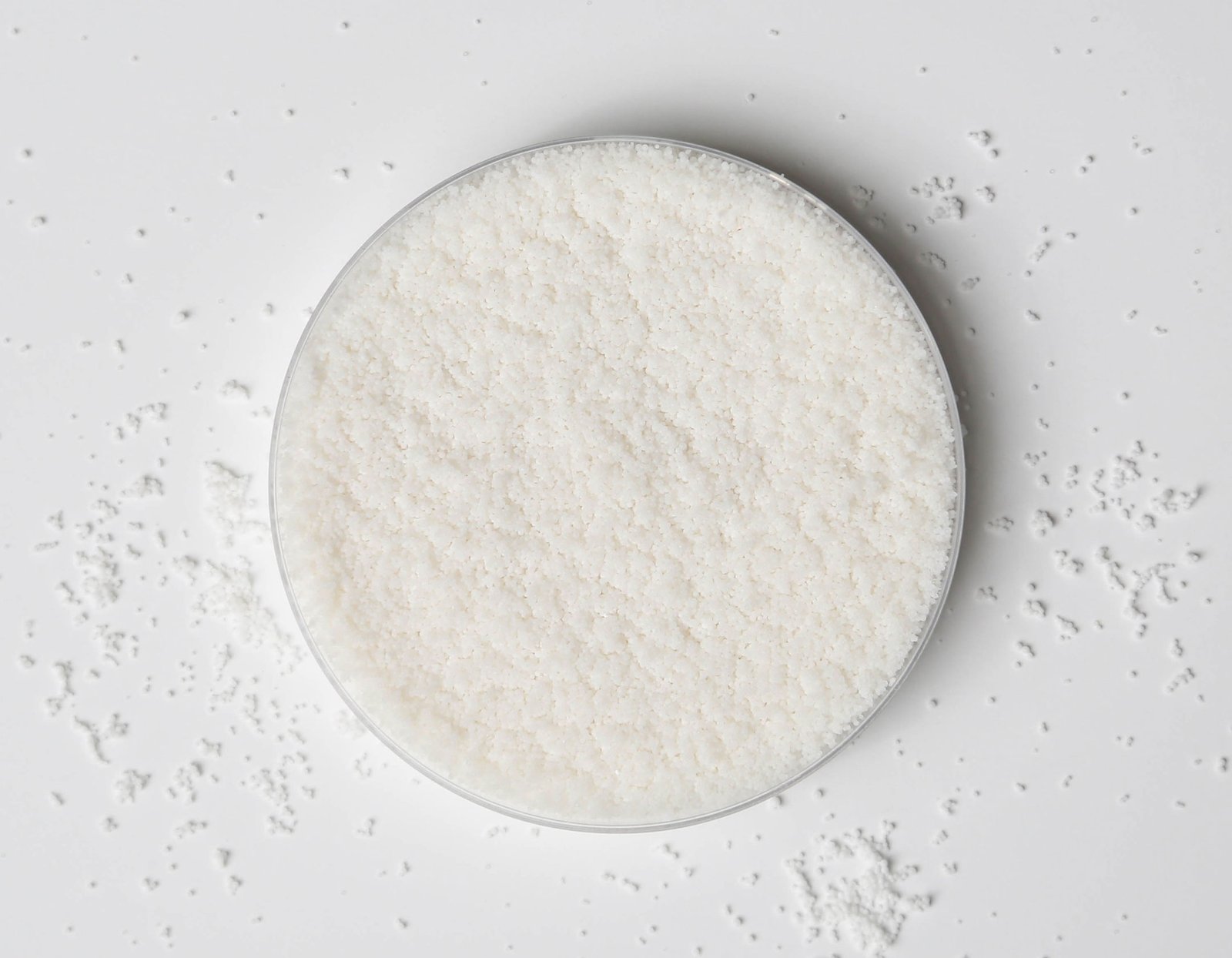
Firstly, the tube (column) will be filled with very small a charged resin beads. Once the charges chosen (positive or negative), the sample is loaded. A liquid mixture that has different proteins is poured into the top of the tube.
You will find molecules with opposite charge of the beads stick to them, whereas molecules with the same charge or no charge will just wash straight past.
Next, a buffer fluid is poured in to flush away unwanted and unattached molecules.
To release the target molecules, a high salt solution is then poured into the tube. The salt ions crowd out the target molecules and force them to release the beads.
Finally, these target molecules are washed out to the bottom of the tube (separated) and can then be collected.
This type of operation is scalable, meaning it can be used in small laboratories, as well as large industrial requirements.
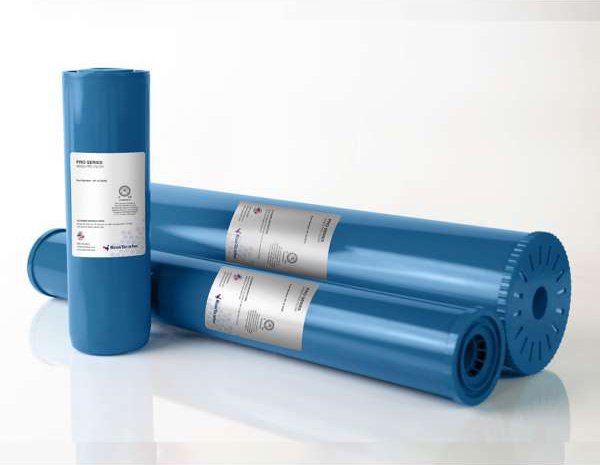
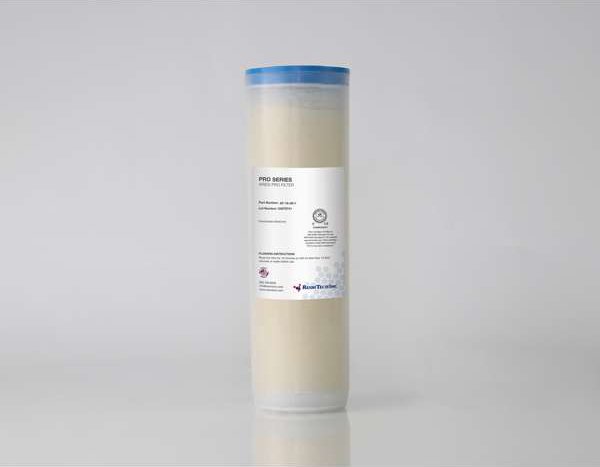
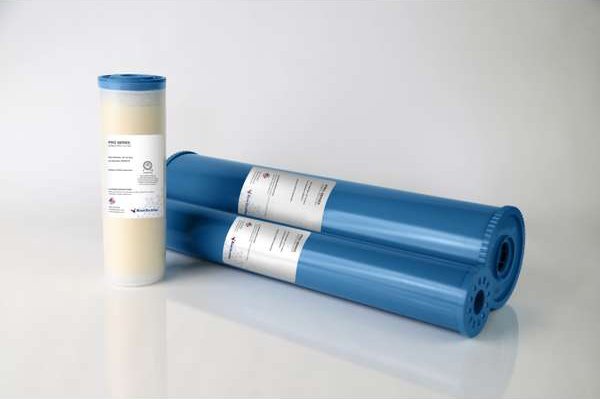
If you’re looking for an ion exchange resin supplier in India, then Pure Resin can provide you with a wide variety of cation exchange resins or anion exchange resins. However, these resins are not suitable for chromatography. Instead, they are used for industrial and commercial purposes like water softening or resins for demineralisation.
What does elution mean in ion exchange chromatography?
This is the process of unbinding and releasing the targeted molecules from the resin beads once they have been captured.
What is the regeneration phase in ion exchange chromatography?
Remaining molecules get stripped off so the column can be cleaned for next use.
What does the chromatography part refer to in this process?
It simply refers to the separation of mixture into individual parts when moving through a chromatography column setup.
What are some benefits?
Amongst the many benefits, one of them is food safety and nutrition. For example, it can detect trace allergens and additives (when it’s paired with analytical detectors of course).
Is it strictly only used in labs?
No, it uses the same physical principles to scale up in industrial plant purposes.