19 Aug / By Admin
Water softening is a crucial process if you want to stop limescale issues wreaking havoc in your home. Families can protect their appliances and plumbing, whilst benefiting from water that is superior for the skin and hair alike.
The main problems people report before installing a standard water softening unit concern:
Firstly, water softening by ion exchange will ensure the water that flows through your home doesn’t contribute to these problems.
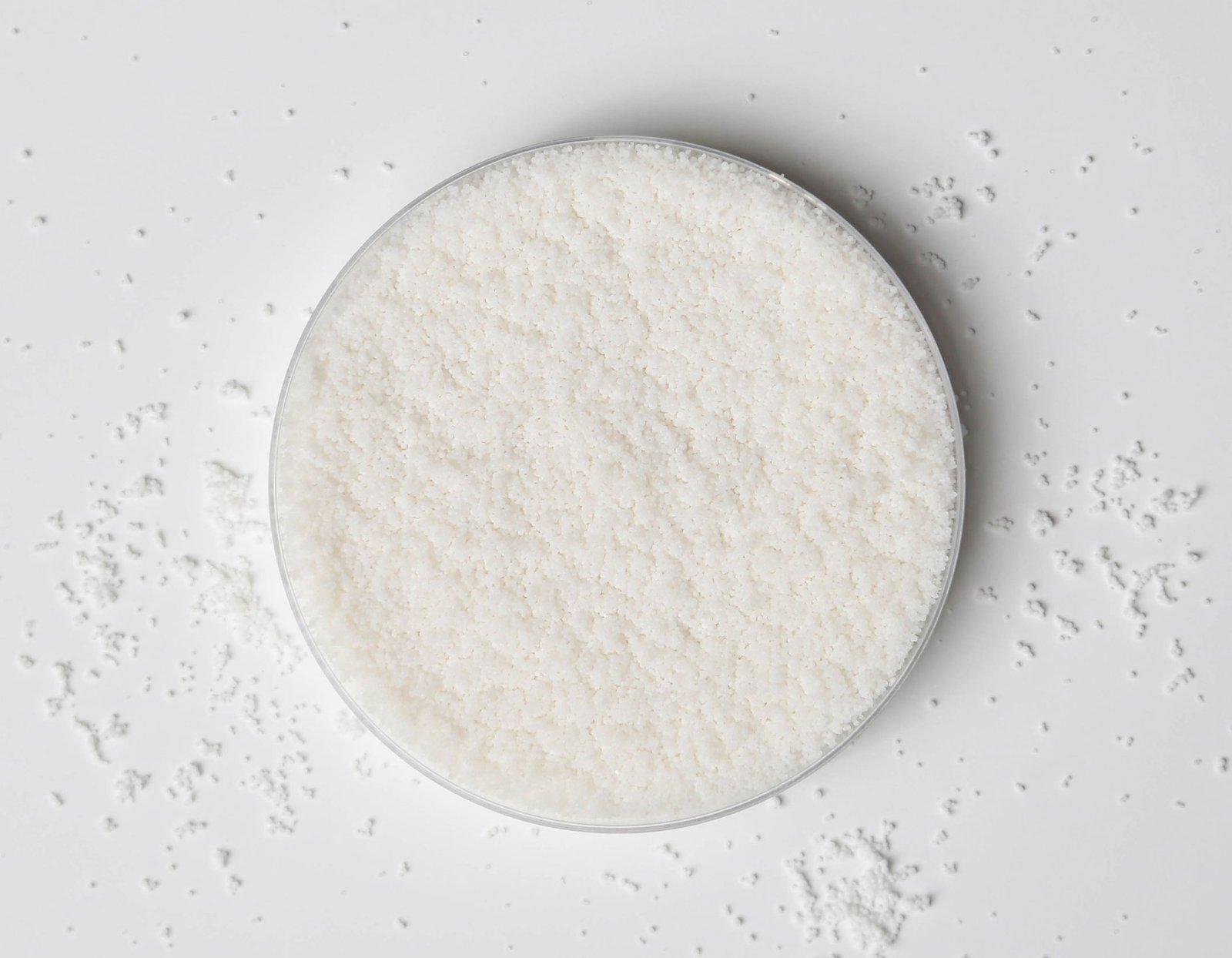
You will need a water softening unit which uses a strong acid Cation Exchange Resin (SAC) inside of a tank. Within this, your hard water flows over the resin beads and a chemical process called ion exchange takes place. This is when calcium and magnesium ions are swapped onto the beads for a harmless ion, (sodium). When the water exist the units, you receive water that is free of hardness.
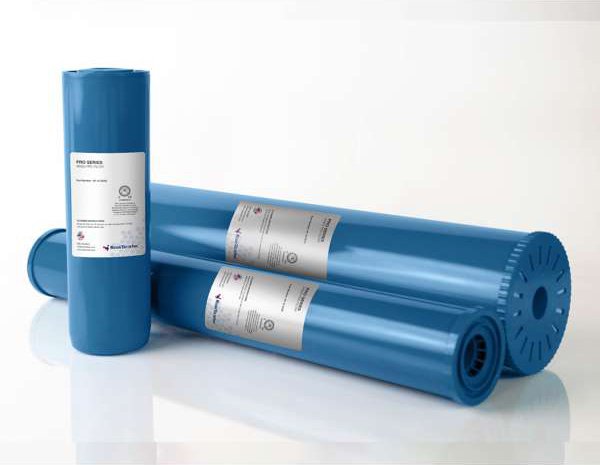
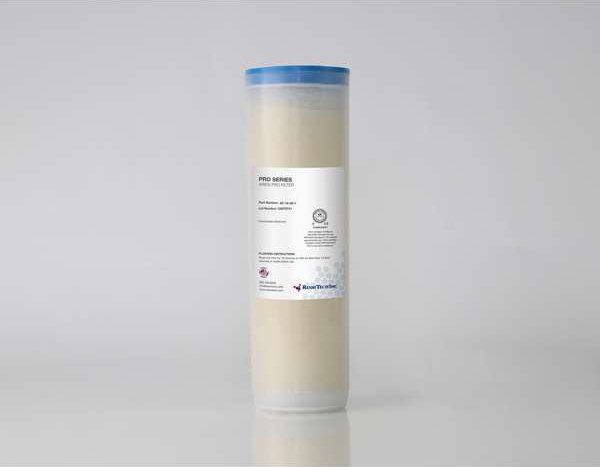
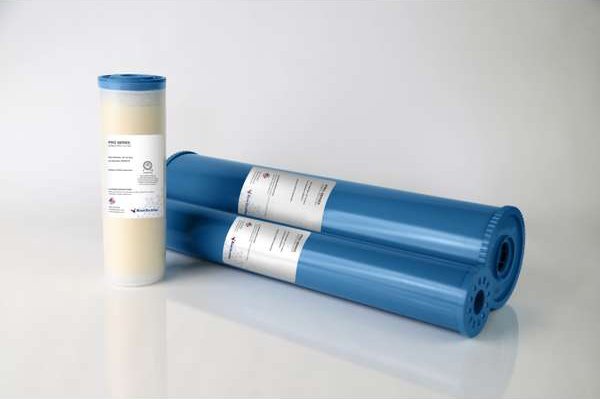
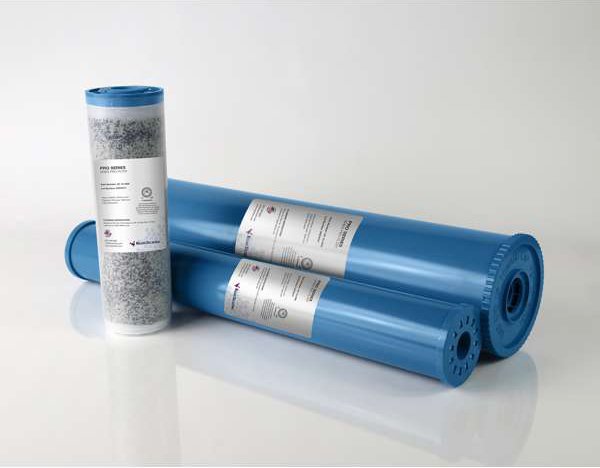
You can use ResinTech CGS for your residential water softening – it’s Gold Seal certified by the WQA for potable water applications.
With this particular method (ion exchange) you get several benefits around the house. You will find appliances lasting far longer than before, as scale is inhibited and internal parts don’t corrode so easily. The water pressures maintained as it should thanks to the mineral crust no longer narrowing the pipes inside your machines. Not to mention, the formation of scale is an unsightly addition to your taps and sinks. Say goodbye to pesky white spots and taps losing their shine. Keep your bathroom bright and shiny!
Away from your appliances, you will be providing water that is more gentle to yours and your families skin. Your natural oils are no longer stripped away from the hard minerals, so your skin ends up holding onto its natural moisture. Meanwhile, hair is healthier too. No hard minerals mean your hair isn’t coated in a build-up of these minerals, so the natural oils can work on maintaining that essential moisture for your hair, resulting in softer feel.
You’ll find the shampoo can lather up more effectively, meaning you also require less of the product. (This is the same for your household cleaning products too like dishwashing detergent and your laundry detergent!).
Meanwhile, there is another way you can address scale issues in your house. A salt-free unit does not actually soften the water, but rather acts as a water conditioner. This is a key difference as the benefits differ greatly from a traditional salt-based water softener system.
Essentially, the salt free softening set up will target the hardness minerals by converting them into very small micro-crystals. They can then flow through pipes and not stick to the surfaces inside here – they’re perfect for stopping future scale build ups and preferred if you want a system that does not use salt and a lot of them won’t even use electricity.
The key difference is the removal of hardness minerals. The salt-free alters these, as opposed to removing them. You’ll find they’re more accurately marketed as descalers as that really is their main goal. Removal of hardness minerals occurs within the traditional salt-based water softening units. Therefore, using the salt-free alternative as outlined above won’t give you the benefits of water being more gentle on skin and hair or spots for example – or water on your glassware being removed.
Overall, you should consider what problem you want addressing the most first in your house before purchasing either. For gentle water that’s good for skin and your household appliances alike, then the traditional system that uses water softening resin should be your choice.
If you are only concerned with preventing scale build up and making sure your appliances last longer, with minimal maintenance, then a salt-free unit is ideal for you.
What is the best way to soften water?
Using water softening resin with a salt-based water softening unit is the best way to ensure your household gets soft water.
Does's salt free unit soften my water?
No, it performs as a conditioner by converting the minerals into very small crystals that no longer stick to your pipes.
Is a salt free water system eco-friendly?
Yes – they typically don’t rely on electricity to run and have zero water wastage?
Is a salt-free water softener okay for drinking?
Yes. In fact, they’re better than the traditional salt-based systems for drinking purposes as the minerals are kept (calcium and magnesium).
Where can I buy water softener resin?
Pure Resin stocks water softening resin such as ResinTech CG8-HP.