08 Jul / By Admin
The pH of drinking water can vary quite a lot in India across different water sources. Typically, we find water at the most palatable and good for our homes pipes when the pH level falls between 6.5 - 8.5. This in accordance with the pH scale that ranges from 0 - 14. A reading below seven tells us the water is acidic, whilst above the halfway mark indicate the water is alkaline.
However, the source of water will yield a different profile for the pH level. We can refer to the chart below to see the differences.
Water Source | pH level |
Municipal | Stable. 6.5-8.5 |
Groundwater | Varies. 6.5-8. (Mineral rich borewells can give reading of 8.5 or more) |
Surface water | 6.2-8.5. (Not stable) |
It’s important to note the above table is an average and it is common to see variations depending on the region you live in. Not only this, their are factors like industrial activities which can cause a shift in these numbers.
This is a large factor for change here as when we have groundwater travelling through limestone rocks in the Western and central areas of India, we find water that is higher up the pH scale.
An example of this occurs within the Damodar river. Here, pH levels can alter because of the amount of industrial liquid effluents being discharged (from steel plants, coal washeries and more).
The Bureau of Indian Standards (BIS) are responsible for setting the legal requirements that drinking water has to fall between the level of 6.5 and 8.5. When this river doesn’t meet the requirement because of the above discharge, then the local authorities must take action with specific treatment before it can reach the communities it supplies nearby
The pH can end up becoming more alkaline or more acidic depending on the areas soil. For example, synthetic fertilisers can end up causing the water to become more acidic (lower on the pH scale)
Results published in the Journal of Cleaner Production show groundwater was coming out as neutral to slightly alkaline. This was for the state of Rajasthan, (Northwest India). This would be driven by the weathering of rocks and the vast amount of evaporation that you typically get within climates that are arid or semi-arid.
It’s typically alkaline/neutral on the scale. This range fits within the BIS criteria, but the quality of this water can vary a lot. It’s not recommended to drink municipal tap water in India straight from the tap. There is often contamination within local plumbing and it’s strongly recommended to use an Reverse Osmosis water purifier or bottled water instead, to ensure safety.
Usually 6.5-8.5, but with rainfall/monsoons we can expect this to change a lot. Much of the rural population use surface water every day.
Many cities are taking action by investing money into Wastewater Treatment Plants. Of course, there are other steps take within agriculture. This could be raising the pH by using agricultural lime (calcium carbonate). They will inject certain acid or alkaline into the irrigation systems depending on what is needed.
The ideal pH level for drinking water is 6.5 – 8.5. This level will provide you with a refreshing and balanced taste. Anything above the 8.5 mark can be quite bitter in taste. Meanwhile, at the lower end if it’s too acidic, you can get a sour or metallic taste. Hence, the halfway mark of roughly around 7 is considered ideal.
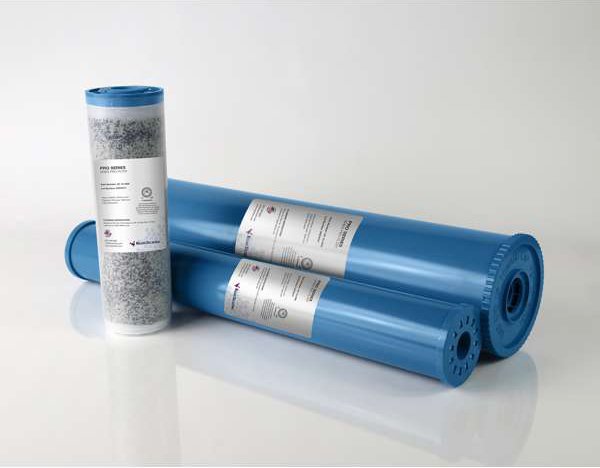
If you’re using an RO system, this would take out calcium and magnesium which would lower the pH. In order to bring this back up, many people add in cartridge such as a pH Neutralization filter cartridge. By doing this, you increase alkalinity of the water to a more neutral amount and reduce the effects of acidic water (corroding your pipes).
Does pH of water change a lot in India?
Yes, depending on the source of the water. For example, if its from a region with heavy limestone then we expect the pH of this water to be alkaline.
What areas of India have low pH water?
Central India and Kerala.
What areas have high pH water in India?
These would be arid/semi-arid areas such as Rajasthan or the Indo-Gangetic plains.
Is alkaline water better?
No, though it’s still okay for drinking – your body still makes its adjustment sot restore the pH internally to what it should be (homeostasis). Therefore, it isn’t necessary or better to drink this type of water.
How do I know the pH of my water?
The most simple method is to use paper pH test strips that simply dip into the water to show what pH level the water is.