01 Oct / By Admin
As the world’s largest user of extracted groundwater, borewell water is absolutely critical for India. However, it is not without its risks. Adequate filtration and professional water testing must take place to ensure the water is safe for our consumption.
If left untreated borewell water will lead to many serious health problems such as:
This list is by no means exhaustive but indicates some of the health risks associated with borewell water.
We’ll look at what each filtration does for your water, as well as giving you the steps to purify borewell water.
It’s important to note you need a treatment that targets the biological contamination, as well as the hardness within the water, which the following addresses.
First, you should test the TDS (total dissolved solids) level of your borewell water. Next, send a sample to an accredited laboratory that checks for chemical and microbiological hazard before using it for both drinking and cooking.
Before any filtration takes place, you should move onto catching the big particles – the sand, silt, mud etc from the underground pipes.
To stop these particles clogging up your purifier system, you need a sediment filter that traps these. Not only this, but if this stage is missed, then the UV filtration implemented later cannot work.
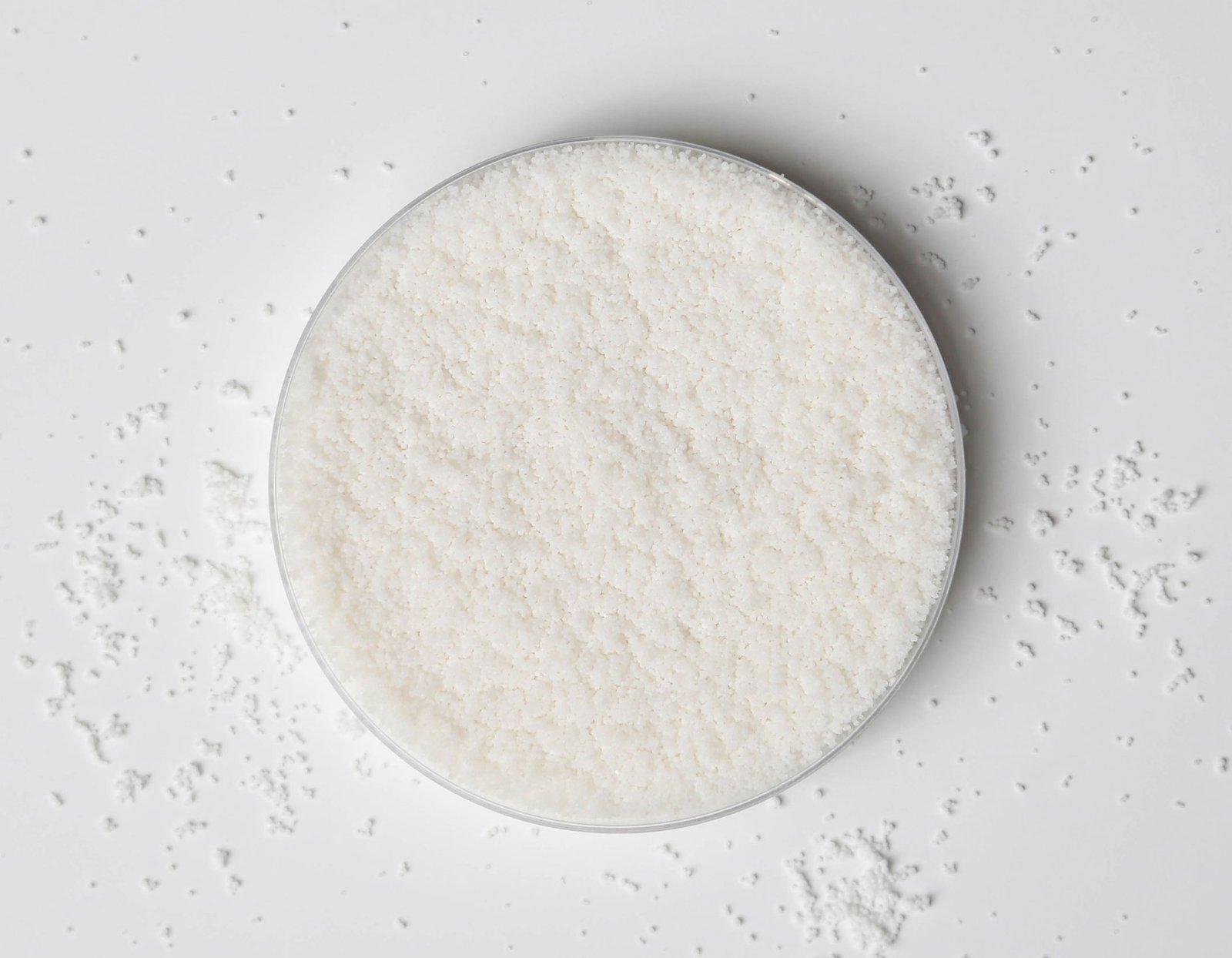
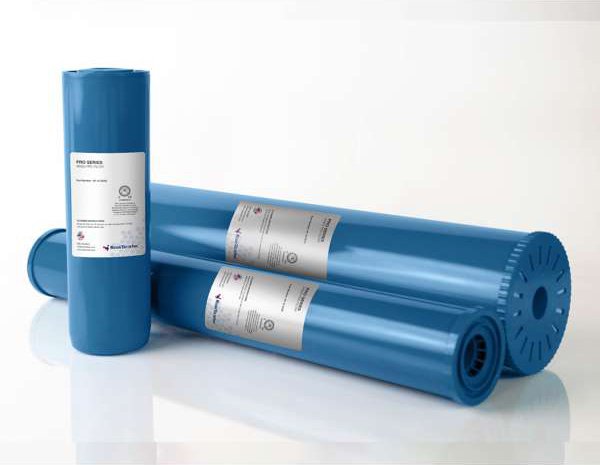
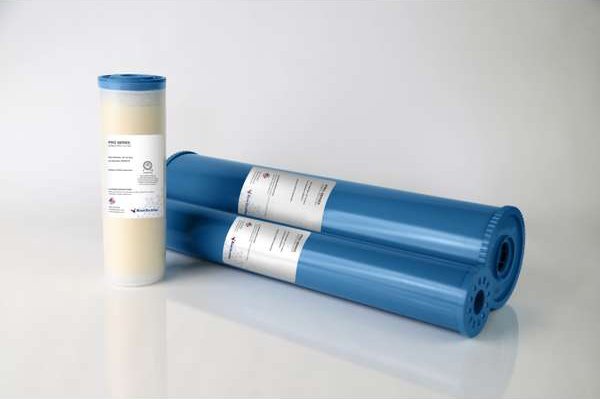
Next, you will need to eliminate the hardness causing minerals. This will help make the water suitable for bathing, as hard water aggravates skin and hair. It will also help to stop pesky scale issues around your household taps and internal pipes. This will go a long way to helping your appliances last longer, as scale build-up often leads to early breakdowns of household appliances (dishwashers, washing machines etc). A water softening unit will require water softening resin, such as ResinTech CN8-F.
Bad tastes and smells like chlorine or the rotten egg odour can be fixed with activated carbon. This filter is essential for improving the taste and odour of your water!
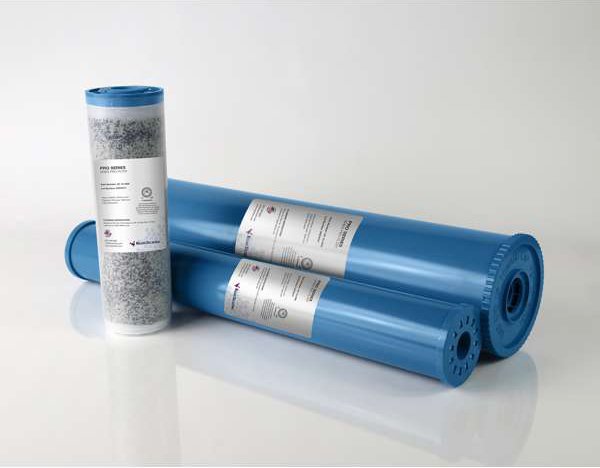
If you want to improve both taste and odour, then a good solution is a Coconut Shell Carbon Filter cartridge. Produced in the USA, they are used across the globe for tastier, better smelling water.
Essentially, it removes harmful contaminants. These powerful systems lower the TDS (which can easily exceed 400 ppm in within India’s groundwater, as well as removing toxins like arsenic, nitrates, fluoride etc.)
This will add the calcium and magnesium back into your drinking water. These were taken out by the RO (reverse osmosis) system, so adding these essential minerals in is critical for the best drinking water health benefits. Calcium and magnesium are vital for the body for various processes. Calcium supports muscle contraction, nerve function, stronger bone sand teeth, whilst magnesium is important for your heart health and keeping the nervous system functioning properly.
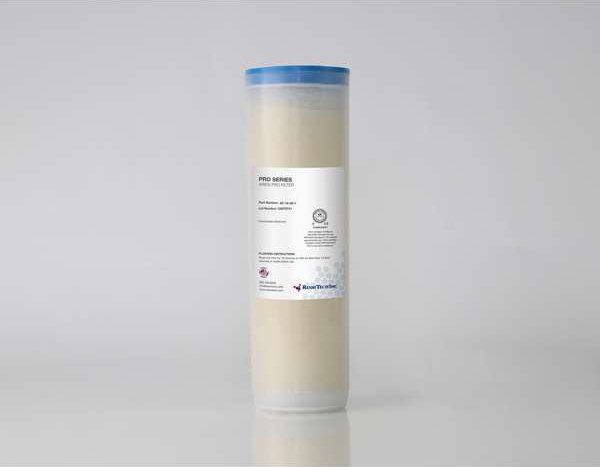
Water treatment industry experts Aries produce a remineralising cartridge that adds the essential minerals of calcium and magnesium back into the water.
This filtration as the final step works by shining an ultraviolet light through the water to kill any remaining bacteria and viruses (at the final point before consumption). The reason we save this for this stage is that UV filtration requires clear water to work.
Borewell water is good for drinking once it has been properly tested and adequality filtered, to make it fit for consumption. It is the lifeline for India’s agriculture. Borewells on their own provide around 50% of the countries total irrigation needs.
For drinking purposes, it is absolutely vital. According to UNICEF, around 85% of rural drinking water come directly from groundwater sources. This comes from an astonishing 30 million access points.
What is borewell water?
Borewell water comes from aquifers. Groundwater gets pumped to the surface via a deep hole drilled into the aquifers.
What is an aquifer?
Underground porous or fractured rock that is saturated with permeable water.
Does India use a lot of groundwater?
Yes, it makes up the majority of the rural communities drinking water supply.
Is borewell water hard?
Yes, borewell water is known for being hard as it contains calcium and magnesium from the rocks underground (limescale and chalk).
How can I get soft water?
You can use water softening resin within a water softener unit. You can find water softening resin in step 3 of this blog.