04 Nov / By Admin
A build-up of ammonia is highly dangerous for your fish, so addressing this chemical imbalance is a must for aquarium owners. When ammonia levels go past the regular levels, you run into a world of problems for your pet fish.
These include:
Now we can see how devastating the effects can be to our fish, let’s find out…what actually is ammonia?
This is the toxic waste product that’s made by fish, along with biological decay. It derives from the fish itself when they excrete their waste as ammonia. In terms of the decay, this will be things like any live plants that are dying and fish food that is leftover. Interestingly, you can’t actually see the ammonia so you should check your ammonia levels to see if you are keeping within the normal ammonia range.
You cannot rely on looking for things like cloudy water to see if your ammonia is high, as it’s entirely possible to have crystal-clear water, yet sky-high levels of ammonia. Instead, you should do two things. Firstly, use a test kit and secondly, keep an eye out for the following warning signs:
You can look out for behavioural signs from your fish such as:
Meanwhile, in the tank you may get cloudy-looking water. This is because of a bacterial bloom appearing that’s feeding on excess waste. It’s not the ammonia itself doing this. The cloudy appearance shows us that there’s too many organic nutrients. Hence, the outburst of heterotrophic bacteria.
The best method for making sure Ammonia Levels are within the normal range is to use a liquid test kit at home. These can be purchased online and or at aquatic stores. For a fully cycled tank, you should maintain a level of 0 ppm for safe ammonia levels.
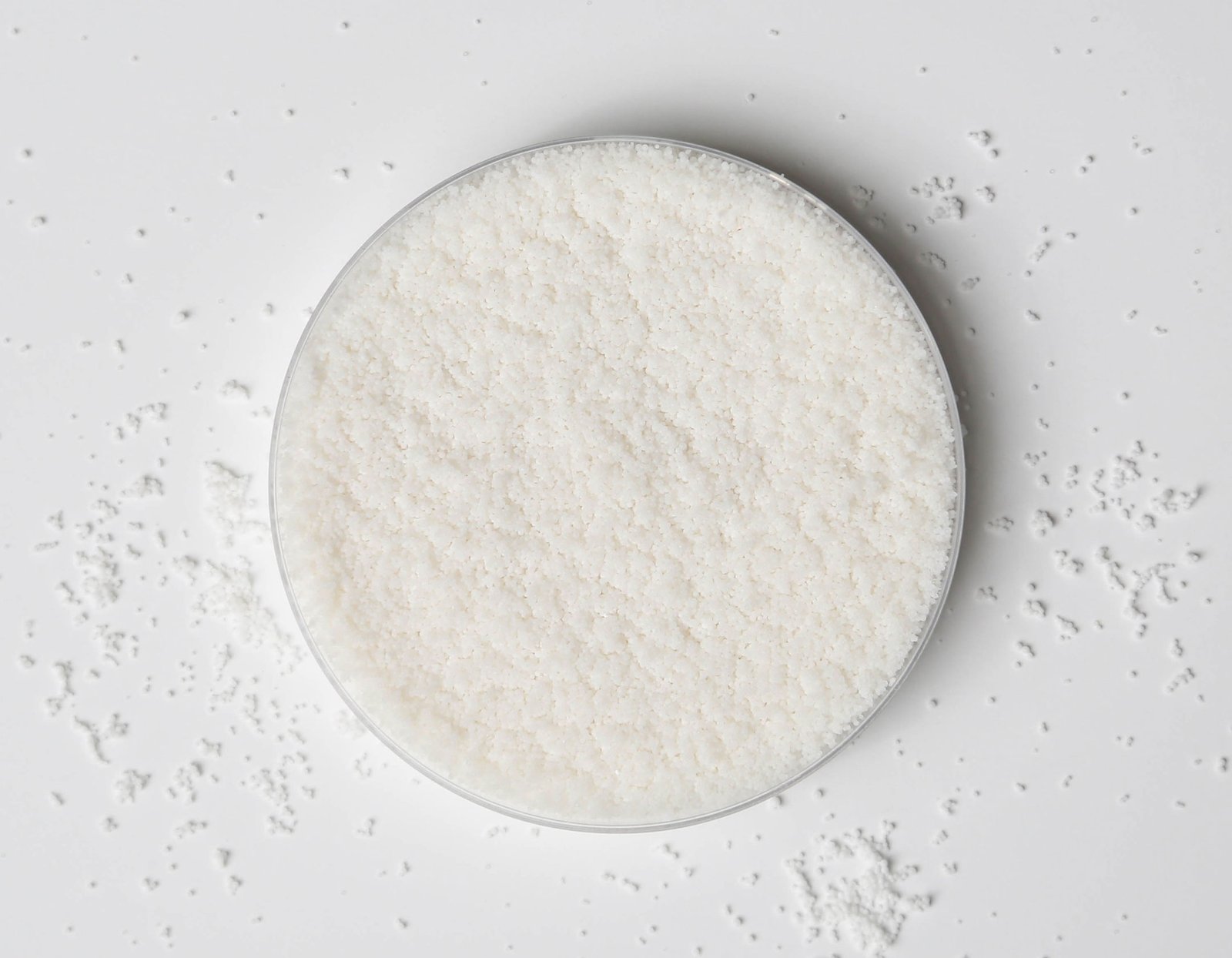
Fortunately, we have a fantastic range of aquatic media pods that will take care of your aquarium, ensuring your ammonia levels are as they should be. For this, we recommend the Ammonia Block Pods to quickly shut down high levels of this pesky chemical compound. Long-lasting and with high versatility, they are perfect for safe starting brand new aquariums or can be used to quickly set up a quarantine tank.
If you find yourself away from your fish tank for a long period of time, you can use these pods to put your mind at ease. The Ammonia Block Pods will keep your aquarium water at a stable and safe rate for ammonia. A pack of three pods can treat up to 1500 litres of water.
Of course, there are steps you should take though, to ensure you have optimal Ammonia Control.
For example, performing immediate water changes. Treat your fresh, temperature-matched water with a dechlorinator first in order to protect the beneficial bacteria. After it’s been conditioned, you can then pour the new water in slowly to dilute the toxins safely.
Another step you can take is to temporarily stop/reduce feeding for the fish. This will stop them producing more waste. Most healthy adult aquarium fish are able to manage this without doing them any harm for a few days. This will stop them producing more waste.
Of course, you can also check your aquarium filter as well to see if it’s running as it should. Keep an eye out for water movement that is steady and strong from the filter outlet back into the tank. You should also hear a low and motorised hum when the filter is in usual operation – not any clicking or rattling. Along with this, you can check the outside of the filter units for any leakage like dripping and dampness.
What is chemical filtration media?
In regards to your aquarium water, it is essential to remove dissolved toxins, impurities, and odours from the water via adsorption and ion exchange.
What are some signs my ammonia levels have spiked?
Keep an eye out for fish behaviour such as gasping at the surface – this could indicate high ammonia levels.
Will performing a water change help lower ammonia levels in my fish tank?
Yes as it physically removes dissolve ammonia. It will give your fish some relief straight away.
What should my ammonia level be in my fish tank?
0 ppm.
What factors increase ammonia toxicity?
A higher pH level and also higher water temperature increase this.