19 Nov / By Admin
Lead removal is a critical part of treating industrial water and wastewater. By doing this, we can help stop damage to our ecosystem. This element does not break down well in our environment – it stays in our water and soil.
Now that we understand the effects this element can have on us and our ecosystem, let’s look at an effective way to remove lead from industrial water.
The first method we will examine is that of ion exchange resin. In five simple steps, this is how these specialised beads can tackle this contaminant problem. The process outlined below occurs within specialised vessels known as ion exchange tanks or columns.
Before beginning the ion exchange process, it’s important to be aware that industrial wastewater will usually not just have lead on its own. It will also include many other particles, oil and grease. Hence, it must go through multimedia filters first. This stops dirt and debris from coating the resin beads, which would render the ion exchange treatment ineffective.
Secondly, if lead concentrations are too high, the resin can become overwhelmed. To combat this, chemical precipitation is performed. For example, sodium hydroxide or sodium bicarbonate may be added to the wastewater. This causes the (dissolved) lead to form into solid particles that end up settling as sludge (removing most of the bulk lead right before it even gets to the specialised vessels that contain the resin)
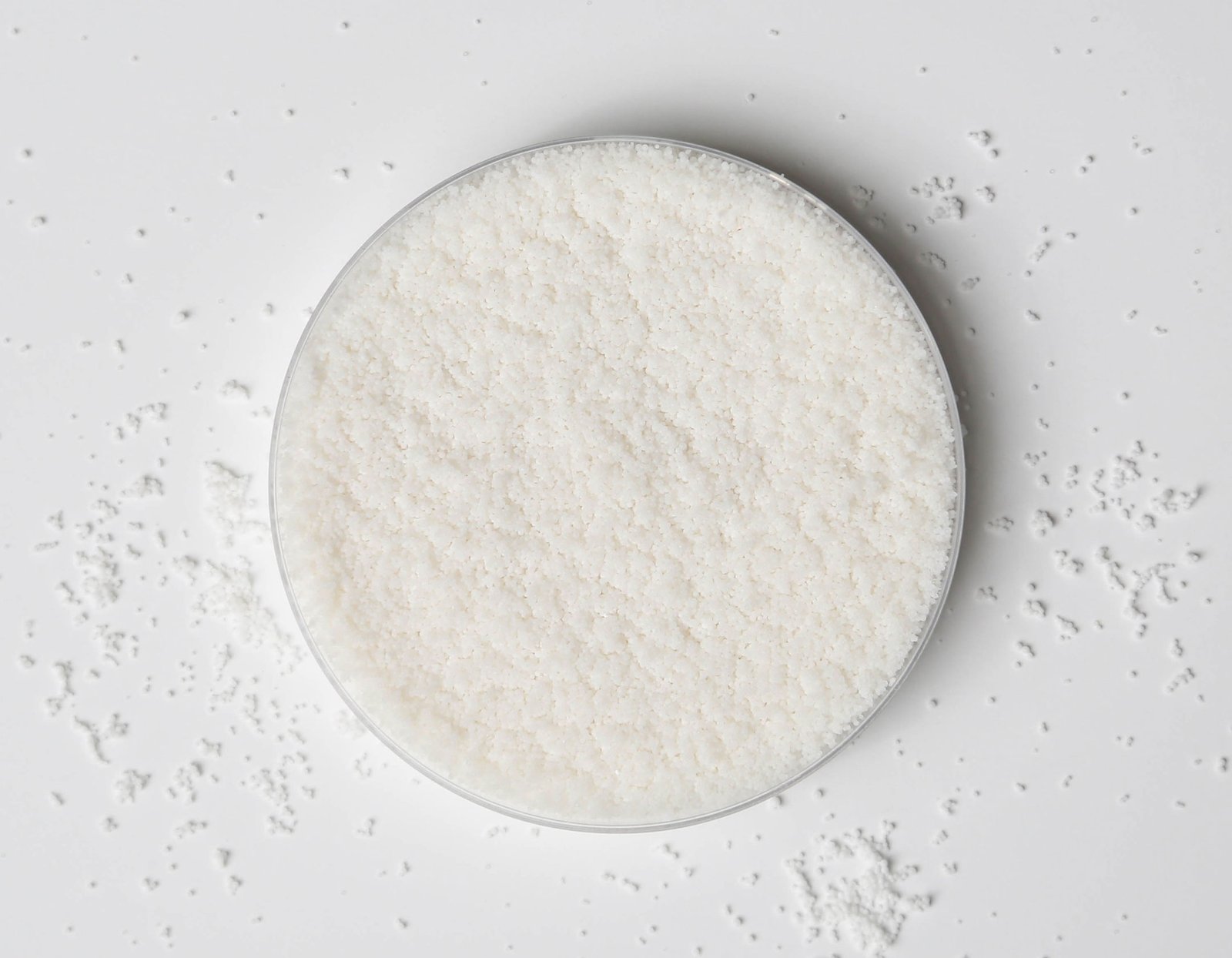
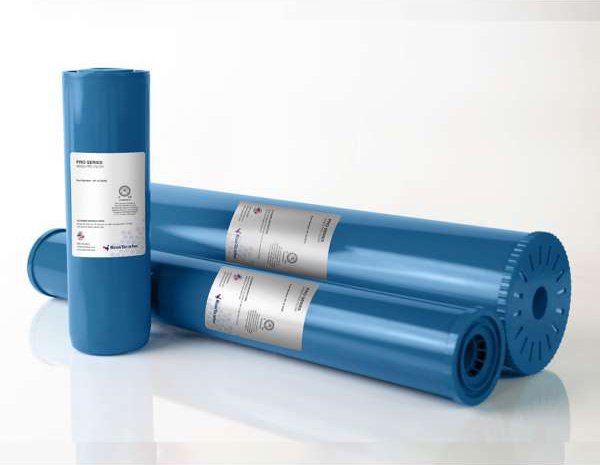
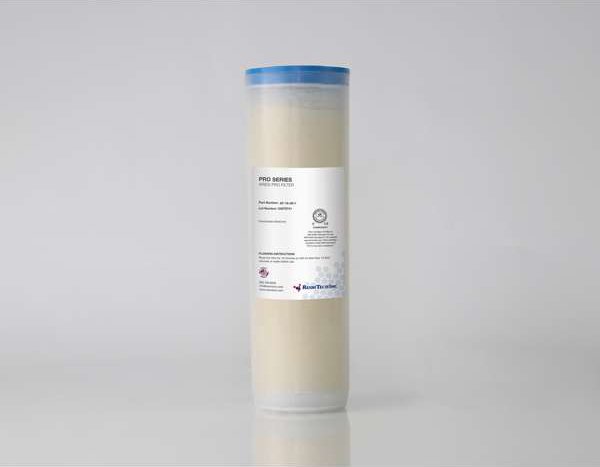
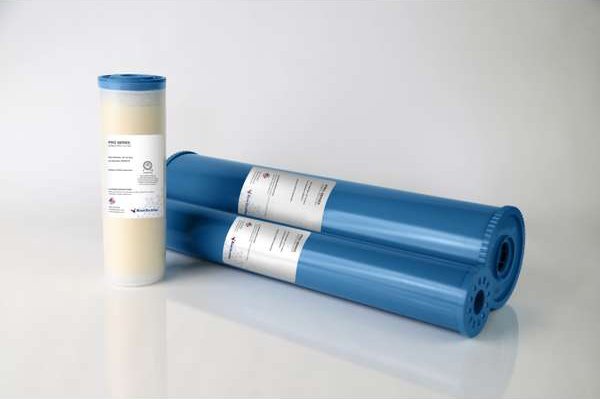
To remove lead from industrial water, we would recommend SIR-300 resin, by ResinTech. This is a sodium-form macroporous chelating weak acid cation resin. Typically, this resin is used to remove heavy metals from rinse waters along with heavy metal cations from process solutions.
To prevent precipitation, we recommend the SIR-300 pH Adj resin. This resin is partially in hydrogen form to keep the water’s pH from climbing too high. This prevents the dissolved lead from precipitating into solids and fouling the bed of resin.
The SIR-300 resin we recommend for lead removal from wastewaters works so well because of its high selectivity for heavy metals. Ion exchange is a cost-effective way to meet the strict discharge limits. This is vital in an industry where severe strict compliance must be adhered to.
Overall, it’s clear to see that lead removal goes a long way to help stop the bioaccumulation of this element in our ecosystem. As lead does not break down, it gets absorbed by predators in the food chain so by using ion exchange, we can help stop this cycle.
What is lead?
This is a type of heavy metal that is naturally found in our earth’s soil.
Why is lead bad for us?
It’s bad for our bodies as it disrupts our bodily functions and builds up over time – it does not break down.
What’s a good way to remove lead from wastewater?
Ion exchange resin is an effective method. We would recommend our SIR-300 resin for this purpose.
Why is SIR-300 resin good for lead removal?
It has target selectivity meaning it binds well to lead and copper (heavy metals) whilst ignoring ions such as calcium and magnesium.
What industries usually produce a lot of lead-contaminated wastewater?
Problematic industries include mining operations, metal plating & finishing and electronics & printed circuit board production.