22 Jun / By Admin
Last year, a report in The Hindu highlighted a staggering 85% of rural drinking water coming from below the surface - showing it’s a significant amount of water supply under threat. By taking a look at groundwater problems and solutions outlined here, you can become more aware of how specific resins can target types of groundwater contamination.
It’s worth noting that over-extraction has caused a ripple effect underground that has lowered the quality of water. The constant over pumping lowers the water table which then lets pollutants draw in.
Another large contributor to this is landfills. Just this month, we have seen studies confirming contaminants from the Bandhwari landfill site (located in Gurugram), being found in the groundwater of the encompassing areas
Synthetic fertilisers and pesticides sprayed by the farmers end up being washed off the plants and soaked into the dirt. They then leach their way into the groundwater
The effects on our ecosystem are quite severe too. Soil can degrade due to toxic metals and organic pollutants that build up in the root areas. This in turns interfere with soil microbiology and as a result, has a negative effect on the quality of the land.
Toxic contamination within the groundwater can also be a nuisance for the root systems by weakening them and inhibiting plant growth. Plant life can also die out too. This is caused by heavy metals and PFAS which can harm the root directly. If a plant can not take in the vital water and nutrients it needs to grow, then smaller and less produce can occur. They will instead be focusing their energy on combating the toxins rather than putting the energy into growth
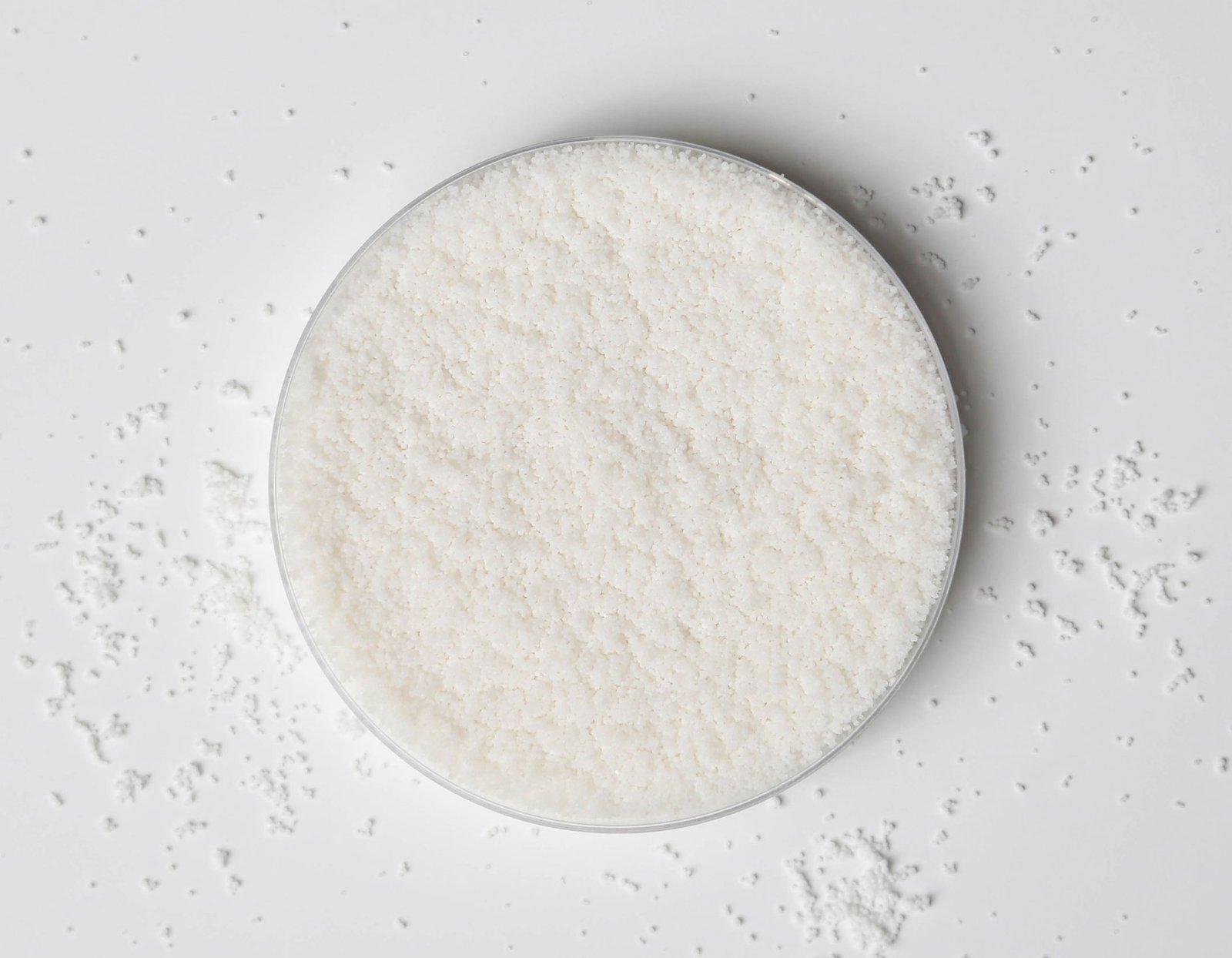
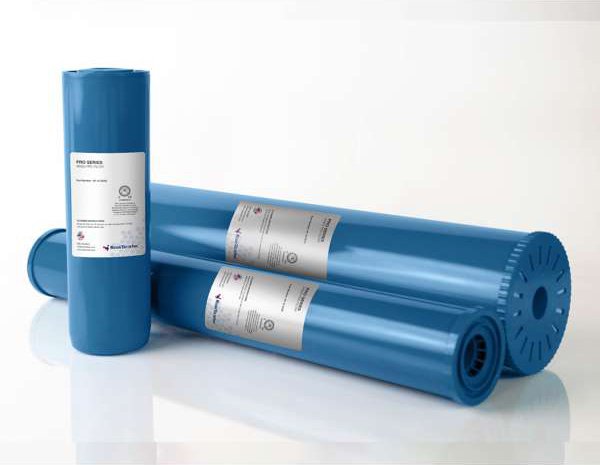
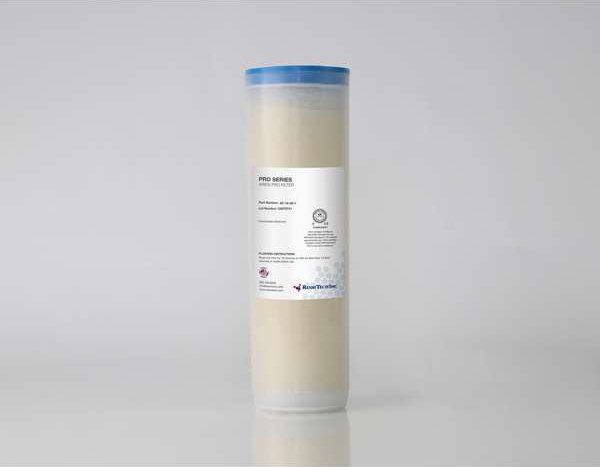
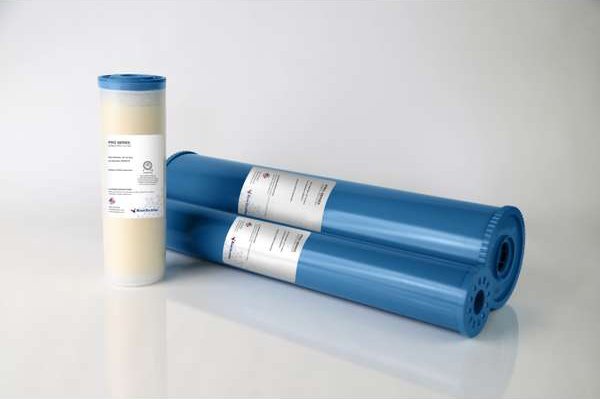
There are steps you can take to beat groundwater pollution though. The use of certain ion exchange resins can target certain problems. Though not stopping the pollution at the source, it can be used to filter the water being pumped from the ground.
For example, Sir-100-HP resin is an excellent choice for removing nitrates out of the water. It’s a great way of purifying the water (the use of ion exchange resins) and ensures you get targeted extraction.
Furthermore, this is gold seal certified by the WQA (Water Quality Association) making it okay for potable water and a safe choice for residential filtration systems.
Of course, the root cause of this would be agricultural run off so things such as excessive plant fertiliser. Better management at this step would be an idea solution so nitrates don’t the need to be removed from the water.
Arsenic pollution in groundwater is another common issue in India and across the world. You can remove it with ResinTech’s ASM-10-HP resin as the perfect choice for this, but it does also address the removal of uranium.
Further benefits of this resin include:
This resin is primarily used to take out ferrous iron (that would otherwise cause red/brown coloured stains in your skin or toilet). It also removes manganese which is responsible for giving water a metallic taste.
The ResinTech Sir-1300 resin is also ideal for combating hydrogen sulphide. By removing this, you can say goodbye to the “rotten egg” odour from the groundwater.
Groundwater usage is clearly an integral part to many communities across India. You can keep an eye out for this in your water through notorious signs such as: staining in sinks, unpleasant odours in water and any discoloration in water. Farmers can also keep an eye out for changes such as their livestock refusing to consume the water and a decrease in her milk production.
The use of ion exchange resin can go a long way to purify water that has been contaminated. Pure Resin can provide both a variety of these resins, as well as information on ion exchange resin in previous blogs.
What contaminants are found in groundwater?
Typically, groundwater contamination is usually for heavy metals like Arsenic or pathogens that have entered the water supply, but this list is not exhaustive. There is a wide are variety of possible contaminants.
Is underground water pollution a big problem in India?
Yes, as it supplies over 85% of rural drinking water – a lot of people rely on this water source. Punjab is just one example where high levels of Arsenic are a deep concern.
How long has underground water pollution affected India?
It started to really escalate in the 1960’s due to the Green Revolution.
What products treat groundwater pollution?
It depends on whether you’re treating it in ground or the treatment is taking place above ground. Certain Ion exchange resin can be used as above the ground treatment, depending on the contaminant.
Where can I buy ion exchange resin?
Pure Resin Products sell a wide variety of these resins.