25 Sep / By Admin
Ion Exchange Resins are vital when it comes to the Water Treatment Industry. One of those types, weak acid cation, excels at high TDS Softening. Unlike the strong acid cation softeners which add sodium into water in high TDS environment, weak acid cation resins do not. As a result, you prevent scaling - without the excess sodium!
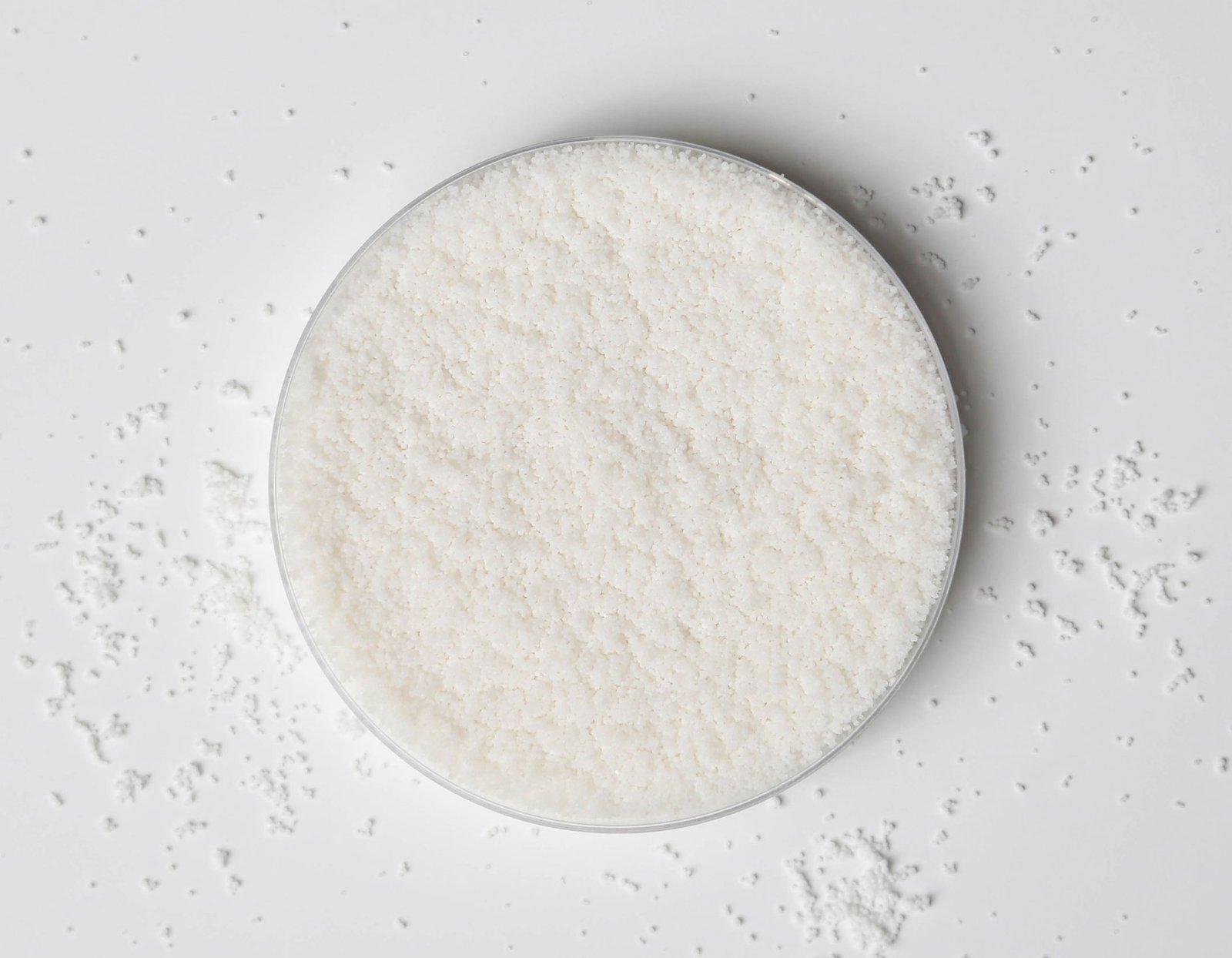
This is a type of Ion Exchange Resin which has the exchange group, carboxylic acid. In this case, the unique polymer beads are basically a microscopic sponge to trap the positively charged ions to temporary hardness (along with alkalinity) within water.
It’s worth noting that due it being a weak acid, it performs in water where the pH is neutral to slightly acidic or alkaline. It will struggle when the water is highly acidic.
When a strong acid cation resin is used for this purpose, exhaustion happens very quickly due to a shift in the chemical equilibrium. What this means is that when it is normal TDS (total dissolved solids) levels for softening, the resin can quite easily get a hold of the calcium and magnesium ion. However, when it gets to a high amount, the volume of the sodium and other non-hardness ions overwhelms the resin and gets full, limiting its ability go get the hardness ions.
Thanks to weak acid cation resins though, we can eliminate this problem. They have far greater chemical regeneration efficiency. In fact, it’s close to a staggering 100% (for regeneration). Over time, the operating chemical costs are lowered when compared to other resins.
Not only is it easy for regenerating, it has a high operating capacity too as it’s a very efficient method when it comes to high TDS softening.
You’ll be having to buy less bags of resin than with a SAC resin!
Unlike a strong acid cation resin, this one will actually lower the total mineral count. Usually, for a strong acid resin (SAC) the TDS stays the same as when hardness is taken out, sodium is put back in.
However, in our weak acid resin here, hydrogen replaces hardness. It turns into gas which ends up floating away, thus eliminating a lot of the TDS.
It’s ability to have a very selective focus for hardness ions bound to alkalinity make it much better than binding to calcium and magnesium than SAC.
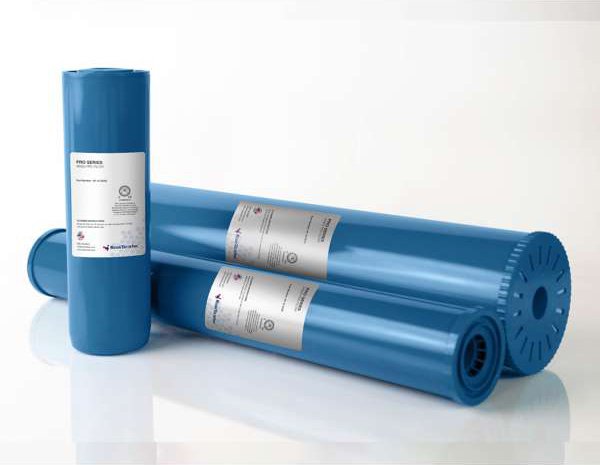
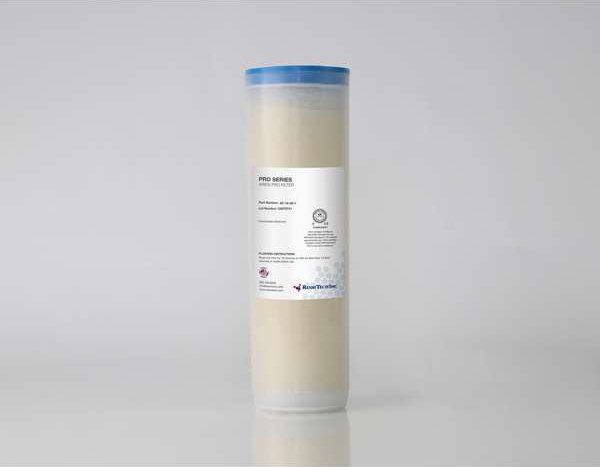
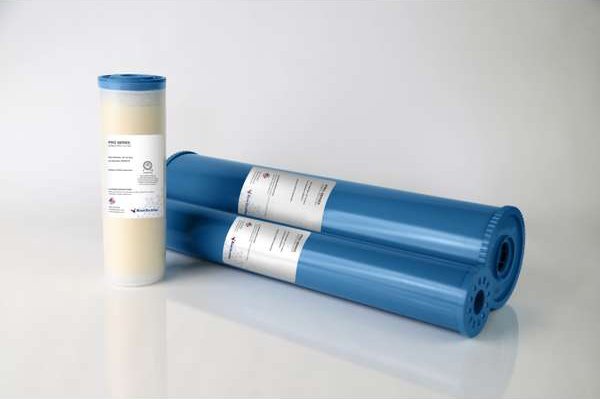
In need of a weak acid cation resin? Pure Resin can supply you with the formidable WACMP-NA. Manufactured by industry leaders ResinTech, WACMP-NA is used for high TDS softening and the reduction of heavy metals.
There are many applications within both industrial sectors, as well as municipal.
Starting with industrial, WAC is perfect for addressing toxic heavy metals within wastewater streams. This resin will take nickel, copper and zinc out of the wastewater stream.
It’s also favoured in the pharmaceutical and medical industry for purification. For example. It can clean up and antibiotics and certain amino acids. These amino acids could be ones such as lysine or arginine.
For industrial water facilities, both factory boilers and cooling towers use WAC resin to help mitigate the scale issue. The resin will soften the water so the machines can keep running smoothly.
Furthermore, the food and beverage industry benefits from a sodium free softening process. This is because a regular softener adds high amounts sodium back into the water. Now though, the sodium profile is unaltered.
Though they excel at hardness bound to alkalinity (carbonate hardness), they ignore permanent hardness calcium and magnesium are paired with strong, aggressive mineral acids like chloride or sulphates.
Overall, a WAC resin is an ideal solution to address water that has a high TDS and needs softening. It is worth noting that it’s particularly a cost-effective solution for temporary hardness. Industries such as power generation and wastewater treatment really benefit from the high TDS water softening, and strict water standards required.
For more information on Ion Exchange Resin or water issues in India, you can check out other write-ups in our blog section.
What does TDS mean?
It is the total dissolved solids in the water.
Can I use a weak acid cation resin for wastewater treatment?
Yes, you can. Heavy metal removal is a favoured application here.
Is WAC resin for high TDS softening a cost-effective method?
Yes, but it’s important to note this applies to when the hardness is tied to alkalinity.
Will it help with scale build up?
Yes, as it removes the hardness causing ions (calcium and magnesium) that are tied to alkalinity.
What industries choose WAC resin?
Multiple industries rely on this including, but not limited to: Industrial and municipal water, the pharmaceutical industry, chemical manufacturing and processing (for transition metal recovery), the food & beverage sector and more.